
Wall Collapse Is a Slow Process, Not a Sudden Event
Walls rarely collapse overnight. In most cases, failure is the result of long-term moisture exposure that weakens the wall internally over months or even years. Understanding Why Walls Collapse After Prolonged Moisture Exposure helps homeowners realize that visible cracks or falling plaster are only the final stage of a much deeper problem. At Manikanta Services, we often inspect walls that appear stable on the surface but are already structurally compromised due to hidden moisture.
Moisture Penetrates Walls Through Small Openings
Moisture does not require large cracks to enter walls. Hairline cracks, porous bricks, damaged exterior paint, open joints, and plumbing lines allow water to seep inside slowly. Once inside, moisture spreads through plaster, masonry, and concrete. This silent infiltration explains Why Walls Collapse After Prolonged Moisture Exposure. Manikanta Services focuses on identifying these weak entry points early to prevent long-term damage.
Continuous Moisture Weakens Wall Materials
Wall materials are strong when dry, but prolonged exposure to moisture breaks down their internal bonding. Plaster softens, mortar loses grip, and bricks become fragile. Over time, this leads to loss of load-bearing capacity, which is a core reason Why Walls Collapse After Prolonged Moisture Exposure. Manikanta Services prevents this deterioration by applying professional waterproofing systems that protect walls internally and externally.
Internal Damage Progresses Before Surface Signs Appear
One of the most dangerous aspects of moisture damage is that it develops internally first. Walls may look intact while moisture silently erodes strength inside. By the time cracks widen or plaster starts falling, structural damage is already advanced. This hidden progression clearly explains Why Walls Collapse After Prolonged Moisture Exposure. Manikanta Services uses thorough inspections to detect internal moisture before collapse risks increase.
Cracks Expand Due to Moisture Pressure
When moisture enters small cracks, it increases internal pressure within wall materials. Temperature changes and seasonal expansion worsen this effect. Over time, cracks widen and allow more water inside, creating a destructive cycle. This process strongly supports Why Walls Collapse After Prolonged Moisture Exposure. Manikanta Services seals cracks professionally and reinforces walls to stop this cycle early.
Rising Damp Undermines Wall Foundations
Ground moisture moving upward through walls, known as rising damp, weakens walls from the bottom up. This causes plaster failure, salt deposits, and loss of strength near floor levels. If ignored, rising damp contributes significantly to Why Walls Collapse After Prolonged Moisture Exposure. Manikanta Services applies specialized rising damp treatments to block moisture movement permanently.
Bathroom and Plumbing Leaks Accelerate Wall Failure
Bathrooms, kitchens, and concealed plumbing lines constantly expose walls to moisture. Even small leaks can spread water deep into wall structures. Over time, this internal saturation accelerates weakening and explains Why Walls Collapse After Prolonged Moisture Exposure. Manikanta Services identifies plumbing-related seepage early and applies waterproofing solutions to prevent structural damage.
Mold and Fungus Indicate Severe Moisture Saturation
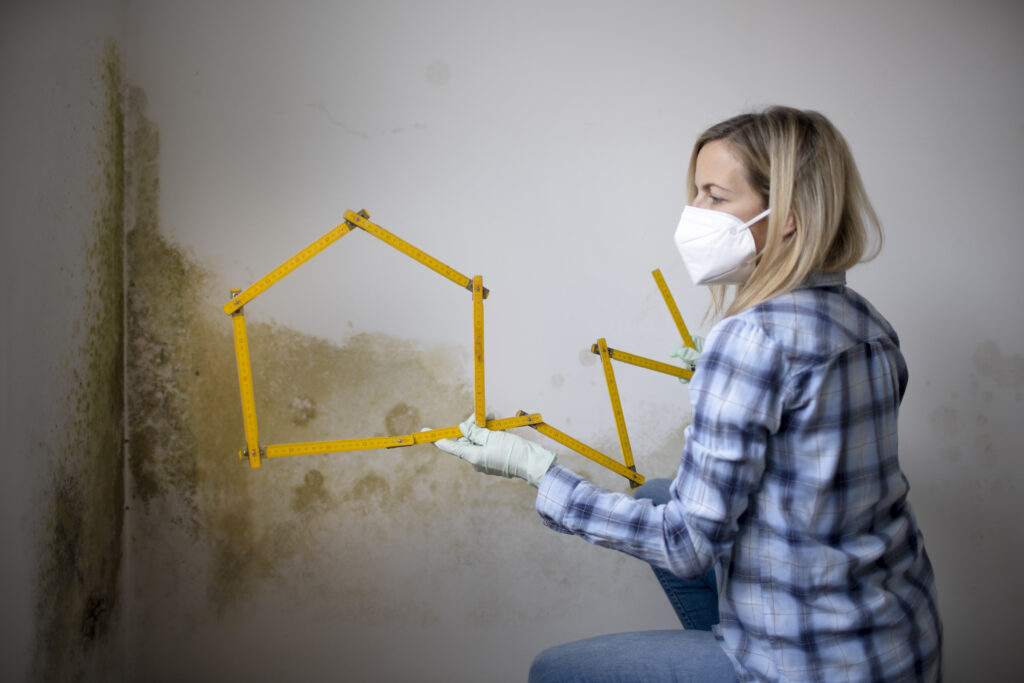
Mold growth is not just a surface issue; it indicates prolonged moisture trapped inside walls. Mold weakens surface layers and signals deeper structural damage. This is another reason Why Walls Collapse After Prolonged Moisture Exposure. Manikanta Services eliminates moisture conditions that allow mold to thrive, protecting both wall strength and indoor health.
Temporary Repairs Accelerate Structural Damage
Cosmetic repairs such as repainting or patching damp walls hide the problem but trap moisture inside. This increases internal deterioration and speeds up collapse risk. This mistake directly contributes to Why Walls Collapse After Prolonged Moisture Exposure. Manikanta Services avoids surface-level fixes and focuses on permanent moisture control solutions.
Loss of Load-Bearing Capacity Leads to Collapse
As moisture continues to weaken wall materials, the wall gradually loses its ability to support weight. Cracks widen, sections detach, and eventually, collapse occurs. This final stage confirms Why Walls Collapse After Prolonged Moisture Exposure. Manikanta Services helps homeowners prevent this outcome through early waterproofing and structural protection.
How to Prevent Walls from Collapsing Due to Moisture
Step 1: Inspect walls regularly for dampness cracks and hollow sounds
Step 2: Treat even minor moisture signs as serious
Step 3: Avoid repainting over damp surfaces
Step 4: Waterproof exterior walls terraces and wet areas
Step 5: Consult professionals like Manikanta Services for proper diagnosis
Why Professional Waterproofing Is Critical
Moisture-related wall failure requires accurate identification of water paths and correct treatment methods. Professionals understand Why Walls Collapse After Prolonged Moisture Exposure and focus on eliminating moisture completely. At Manikanta Services, we evaluate exposure levels, material behavior, and structural risk before applying durable waterproofing systems.
Why Choose Manikanta Services
At Manikanta Services, we specialize in protecting walls from long-term moisture damage. Our experienced team uses premium waterproofing materials, proven techniques, and strict quality checks. By addressing moisture early, we help homeowners avoid the severe consequences that explain Why Walls Collapse After Prolonged Moisture Exposure.
Conclusion
Wall collapse is rarely sudden it is the final result of prolonged moisture exposure that weakens walls from within. Understanding Why Walls Collapse After Prolonged Moisture Exposure empowers homeowners to act early and protect their property. With expert waterproofing solutions from Manikanta Services, walls remain dry, strong, and structurally stable, preventing costly repairs and dangerous failures.