
How Water Damage Becomes A Serious Risk When Ignored
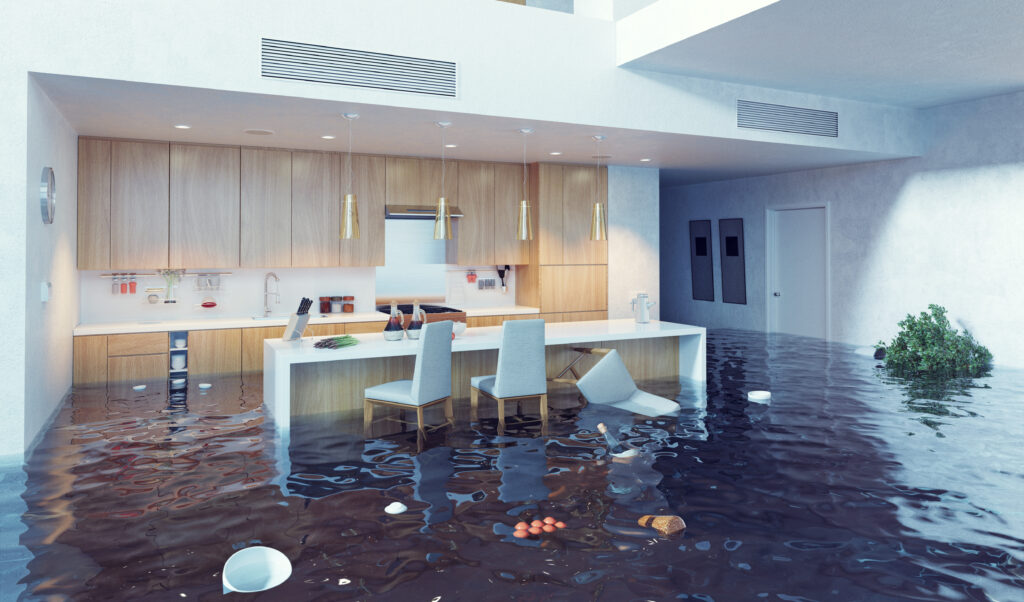
Ignoring water damage puts buildings at risk of failure because moisture never stays on the surface. What begins as a small leak damp patch or peeling paint slowly spreads into structural areas. Water moves through cracks joints and porous materials and weakens the building from within. When early signs are ignored the damage continues silently until structural strength is compromised. This is why ignoring water damage puts buildings at risk of failure far more often than most people realize.
Why Water Damage Weakens Structural Materials Over Time
One major reason ignoring water damage puts buildings at risk of failure is how construction materials respond to moisture. Concrete absorbs water and allows it to reach steel reinforcement. Once steel starts corroding it expands and creates internal cracks. Brickwork loses bonding strength when mortar remains damp. Wood swells rots and loses load bearing capacity. These changes happen gradually which is why ignoring water damage puts buildings at risk of failure without immediate warning signs.
Foundation Problems Caused By Ignored Water Damage
Foundations are highly sensitive to water intrusion. Poor drainage leaking pipes or groundwater seepage weaken the soil supporting the foundation. This causes uneven settlement and stress across the structure. Cracks in walls sloping floors and misaligned doors are common results. When property owners delay repairs ignoring water damage puts buildings at risk of failure by destabilizing the very base that supports the entire structure.
Hidden Wall Damage That Leads To Structural Failure
Walls often hide serious moisture issues. Water enters through hairline cracks poor waterproofing or external seepage and spreads inside wall cavities. Over time plaster masonry and internal supports lose strength. Electrical wiring inside damp walls becomes hazardous increasing fire risk. Because this damage is invisible for long periods ignoring water damage puts buildings at risk of failure long before problems become visible on the surface.
Roof Leaks And Ceiling Collapse Risks
Roof leaks are one of the most common sources of long term water damage. When waterproofing fails water collects above ceilings and slabs. This adds weight weakens reinforcement and reduces load capacity. Sagging ceilings cracks and stains are warning signs. If repairs are delayed ignoring water damage puts buildings at risk of failure especially during heavy rains when roof systems are under constant stress.
How Water Damage Accelerates Structural Aging
All buildings age but water dramatically speeds up the process. Continuous exposure to moisture shortens the lifespan of concrete brick mortar steel and wood. Protective paint and coatings break down first allowing deeper penetration. Once water reaches structural layers deterioration accelerates across the building. This is another reason ignoring water damage puts buildings at risk of failure earlier than expected even in relatively new constructions.
Health And Safety Risks Linked To Structural Damage
Structural damage caused by water also creates health hazards. Damp environments promote mold growth which weakens materials and affects indoor air quality. Mold exposure can cause respiratory issues allergies and skin irritation. Wet electrical systems increase shock and fire risks. These combined dangers show why ignoring water damage puts buildings at risk of failure not only structurally but also in terms of occupant safety.
Why Small Water Issues Should Never Be Dismissed
Many property owners assume minor water issues are cosmetic. Damp smells stains peeling paint or small cracks are often overlooked. In reality these are early indicators of deeper problems. When action is delayed ignoring water damage puts buildings at risk of failure by allowing moisture to spread internally unchecked. Early repairs are always less costly and far safer than major structural restoration.
The Role Of Waterproofing In Preventing Failure
Effective waterproofing stops moisture before it reaches critical areas. Roofs terraces walls basements and foundations all require proper protection. High quality materials correct application and expert supervision are essential for long term performance. At Manikanta Services waterproofing is treated as a structural protection system rather than a surface level solution. This approach ensures that water damage does not compromise building stability.
Importance Of Regular Inspection And Maintenance
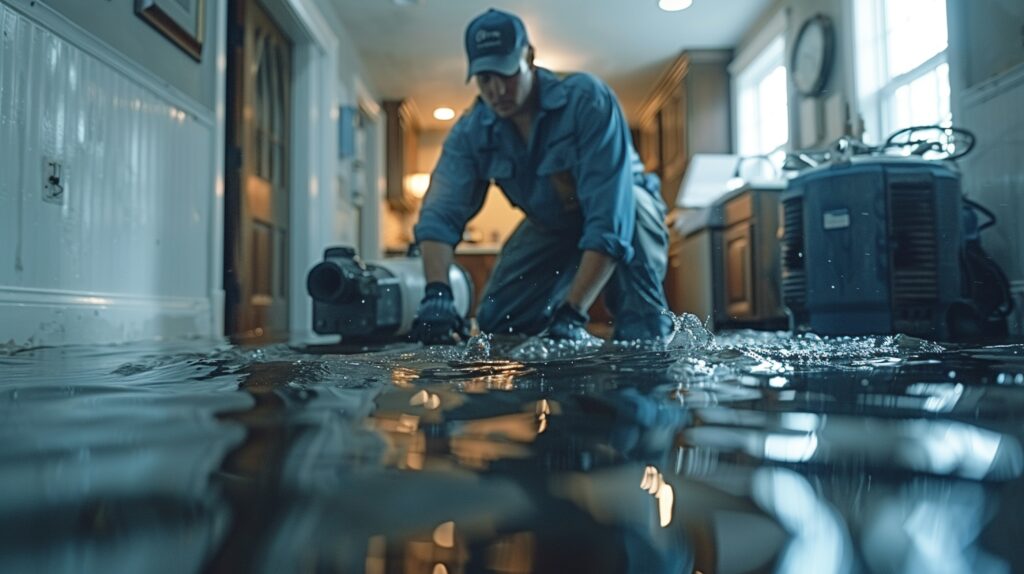
Regular inspection helps identify hidden moisture problems early. Timely repairs prevent minor leaks from turning into structural threats. Professional assessment allows property owners to address vulnerable areas before damage spreads. Understanding why ignoring water damage puts buildings at risk of failure encourages proactive maintenance rather than reactive repairs.
Conclusion Why Water Damage Must Be Addressed Early
Ignoring water damage puts buildings at risk of failure because moisture silently weakens foundations walls roofs and load bearing elements. What seems minor today can become a serious safety concern tomorrow. Preventive waterproofing timely repairs and expert maintenance are essential to protect structural integrity and occupant safety. Addressing water damage early ensures buildings remain strong stable and reliable for years to come.