
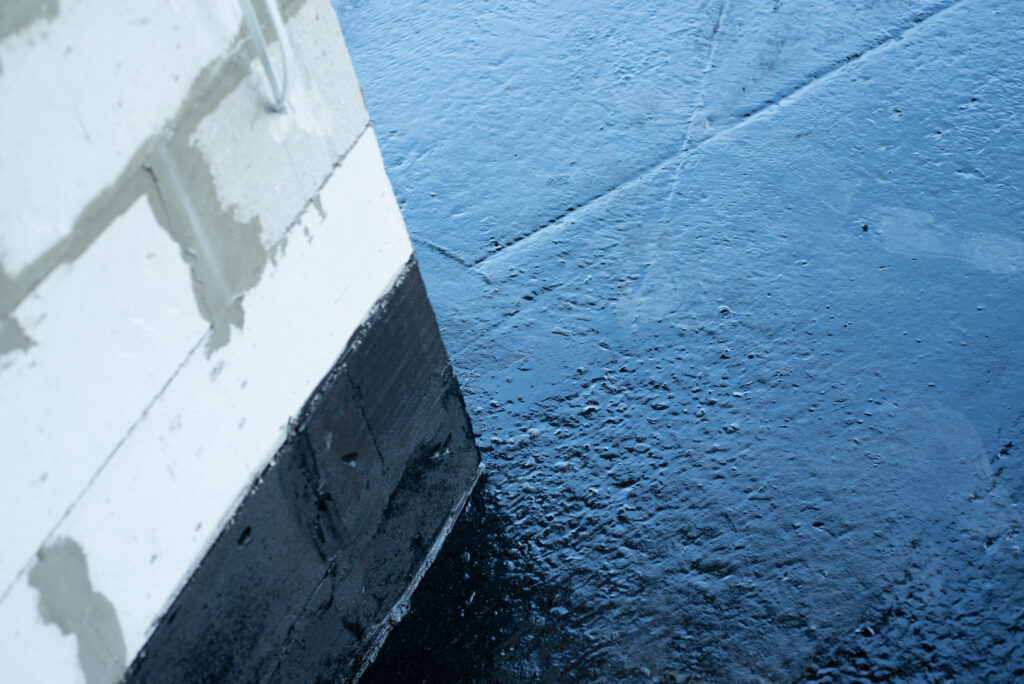
Why Poor Waterproofing Is A Serious Structural Risk
Poor waterproofing leads to structural failure more often than most property owners realize. Waterproofing is not just about preventing stains or damp patches. It is a protective barrier that shields the core of a building from moisture intrusion. When waterproofing systems are weak incorrectly applied or completely missing water slowly penetrates the structure. Over time this continuous exposure weakens foundations walls slabs and roofs. This is exactly how poor waterproofing leads to structural failure without immediate warning signs.
How Water Penetrates When Waterproofing Fails
When waterproofing layers crack peel or are poorly installed they create entry points for water. Rainwater seeps through terraces roofs and external walls. Groundwater enters through basements and foundations. Once inside moisture spreads through porous materials like concrete and brick. Poor waterproofing leads to structural failure because water does not remain localized. It travels internally weakening multiple components at the same time.
The Impact Of Poor Waterproofing On Concrete Structures
Concrete appears strong but it is porous and absorbs moisture easily. When poor waterproofing allows water to reach steel reinforcement corrosion begins. Rust expands and creates internal pressure that causes cracks and spalling. These cracks allow even more water to enter creating a damaging cycle. This ongoing deterioration shows how poor waterproofing leads to structural failure by reducing load bearing capacity in beams columns and slabs.
Foundation Damage Caused By Poor Waterproofing
Foundations require strong waterproofing to prevent soil moisture and groundwater intrusion. When protection is inadequate water weakens the soil supporting the structure. Uneven settlement begins and stress develops across walls and floors. Cracks misaligned doors and sloping surfaces become visible signs of deeper instability. Poor waterproofing leads to structural failure at the foundation level which is the most critical and costly form of damage.
Roof And Terrace Vulnerabilities
Roofs and terraces are constantly exposed to rain and weather changes. Without proper waterproofing water accumulates and seeps into slabs. Over time moisture increases dead load weakens reinforcement and reduces structural strength. Ceiling stains sagging slabs and surface cracks are warning signals. Poor waterproofing leads to structural failure in these areas especially during prolonged rainy seasons.
Hidden Wall Moisture And Internal Structural Weakness
External walls require reliable waterproofing to prevent seepage. When protection fails water enters through micro cracks and spreads inside wall cavities. Plaster masonry and bonding materials begin to lose strength. Electrical systems inside damp walls become hazardous increasing fire risk. This silent progression explains how poor waterproofing leads to structural failure without obvious external signs at first.
How Moisture Accelerates Material Aging
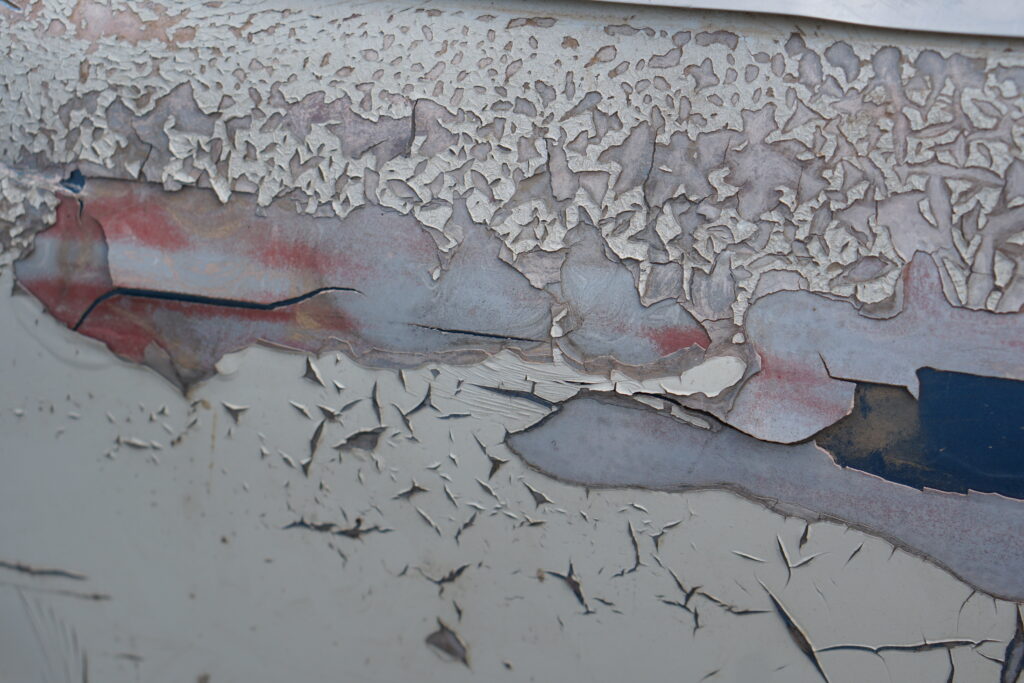
Water significantly shortens the lifespan of building materials. Continuous moisture exposure weakens brick mortar steel wood and concrete. Protective paint layers peel exposing deeper surfaces to further damage. Once waterproofing fails the rate of deterioration increases rapidly. This is another reason poor waterproofing leads to structural failure earlier than expected even in newer buildings.
Financial And Safety Consequences Of Structural Failure
Structural repairs caused by water damage are expensive and disruptive. Reinforcement replacement crack repairs slab restoration and foundation correction require significant investment. Beyond financial cost there are serious safety risks including collapse falling debris and electrical hazards. Poor waterproofing leads to structural failure that endangers occupants and reduces property value.
The Importance Of Professional Waterproofing Solutions
High quality waterproofing requires proper surface preparation premium materials and skilled application. Every vulnerable area including roofs terraces basements walls and foundations must be treated carefully. At Manikanta Services waterproofing is approached as a long term structural protection system. Expert supervision and quality materials ensure that moisture does not compromise building strength.
Preventing Structural Failure Through Early Action
Regular inspection and maintenance are essential. Small cracks minor seepage or peeling paint should never be ignored. Early repairs are simple compared to large scale structural restoration. Understanding how poor waterproofing leads to structural failure helps property owners take preventive measures before damage spreads.
Conclusion Why Waterproofing Should Never Be Compromised
Poor waterproofing leads to structural failure because moisture silently weakens the very elements that hold a building together. From foundations to roofs from walls to slabs water intrusion reduces strength stability and safety. Investing in professional waterproofing and timely maintenance ensures long term durability and peace of mind. Protecting a building from water today prevents structural failure tomorrow.