
Understanding Why Water Damage Is More Dangerous Than It Looks
Water damage is one of the most underestimated threats to any building. At first glance it may look like a damp patch or peeling paint but over time water damage leads to unsafe buildings by weakening structural components and creating long term safety risks. Moisture slowly penetrates walls ceilings floors and foundations causing hidden deterioration that often goes unnoticed until major damage occurs. When water damage leads to unsafe buildings it compromises not just appearance but the safety of occupants as well.
How Water Damage Weakens Structural Strength
One of the primary reasons water damage leads to unsafe buildings is its impact on structural materials. Concrete absorbs moisture which can lead to internal cracking and corrosion of steel reinforcement. When steel rusts it expands and creates pressure inside concrete causing it to crack further. Over time this reduces the load bearing capacity of the building. Wooden structures are even more vulnerable because continuous moisture causes rot warping and loss of strength. This gradual weakening explains how water damage leads to unsafe buildings without visible warning signs.
Hidden Wall Damage That Puts Buildings at Risk
Water often enters through small cracks leaky pipes or poor waterproofing and spreads inside walls. Since this damage is hidden water damage leads to unsafe buildings silently. Internal wall damage reduces the ability of walls to support ceilings and slabs. Electrical wiring inside damp walls becomes hazardous increasing the risk of short circuits and fire. This combination of structural and electrical risk is why water damage leads to unsafe buildings in both residential and commercial properties.
Foundation Problems Caused by Water Damage
Foundations are critical to building stability and water damage leads to unsafe buildings when moisture seeps into the base. Poor drainage or groundwater accumulation weakens soil beneath the foundation leading to settlement and cracks. Once the foundation shifts doors and windows stop aligning and load distribution becomes uneven. These changes are strong indicators that water damage leads to unsafe buildings and requires immediate professional attention.
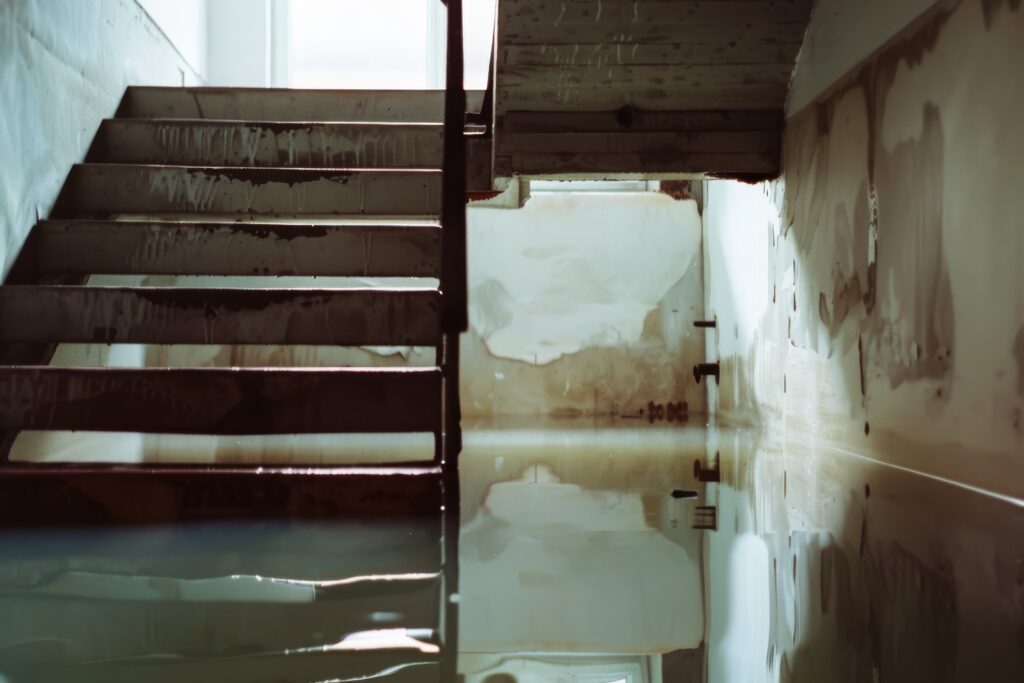
How Water Damage Encourages Mold and Health Hazards
Another serious reason water damage leads to unsafe buildings is mold growth. Damp environments allow mold to spread rapidly within walls ceilings and flooring. Mold weakens materials and also creates health issues like respiratory problems allergies and skin irritation. When occupants face health risks due to poor indoor conditions it clearly shows how water damage leads to unsafe buildings beyond just structural concerns.
Impact of Water Damage on Paint and Surface Protection
Paint acts as a protective layer for walls but constant moisture breaks it down. Peeling blistering and flaking paint are early warning signs. Once paint fails water directly attacks plaster and masonry accelerating deterioration. This is why professional waterproof coatings and quality paint systems are essential. At Manikanta Services surface protection is treated as a preventive safety measure because ignoring it allows water damage to lead to unsafe buildings faster.
Roof and Ceiling Failures Due to Water Damage
Leaky roofs are a major contributor to water damage. When water accumulates above ceilings it weakens slabs and support beams. Over time sagging ceilings and cracks appear which can eventually collapse. This is a clear example of how water damage leads to unsafe buildings especially during heavy rains. Regular roof waterproofing and inspections help prevent these dangerous outcomes.
Why Ignoring Early Signs Makes Buildings Unsafe
Small signs like damp smells stains or hairline cracks are often ignored. Unfortunately when water damage leads to unsafe buildings the damage has usually progressed far beyond visible symptoms. Delayed repairs increase restoration costs and safety risks. Early detection and professional waterproofing can stop water damage before it turns into a structural threat.
The Role of Professional Waterproofing in Building Safety
Proper waterproofing is the strongest defense against water damage. Quality materials correct application and expert supervision ensure long lasting protection. Manikanta Services focuses on comprehensive waterproofing solutions that prevent moisture intrusion at every vulnerable point. This proactive approach ensures water damage does not lead to unsafe buildings and protects both property value and occupant safety.
Conclusion Why Preventing Water Damage Is Critical
Water damage leads to unsafe buildings because it affects structure health safety and indoor living conditions all at once. From foundations to roofs from walls to electrical systems moisture slowly destroys building integrity. Preventive waterproofing timely repairs and expert maintenance are the only ways to stop this silent threat. Investing early in protection ensures buildings remain strong safe and reliable for years to come.