
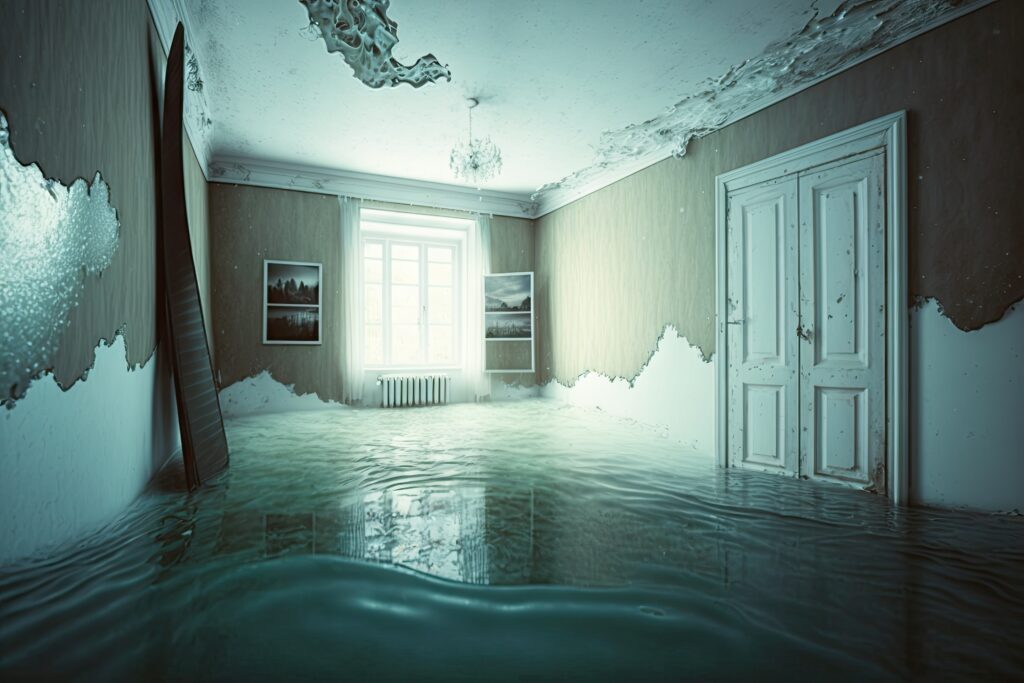
Why Structural Instability Often Starts With Water Damage
Structural instability rarely happens overnight. In most buildings it begins quietly when water finds its way into areas never designed to handle moisture. The connection between water damage and structural instability lies in the way water weakens materials over time. Walls foundations slabs and beams slowly lose strength when exposed to constant moisture. What starts as a minor leak can gradually turn into a serious structural concern that threatens the safety of the entire building.
How Water Damage Affects Load Bearing Elements
One of the strongest links in the connection between water damage and structural instability is its impact on load bearing components. Concrete absorbs water through cracks and pores. When moisture reaches steel reinforcement it causes corrosion. Rust expands and creates internal pressure which leads to cracks and spalling. This process reduces the load carrying capacity of columns beams and slabs. Over time these weakened elements can no longer safely support the building.
Foundation Weakness And Structural Shifts
Foundations are the base of any structure and water damage here is especially dangerous. Poor drainage groundwater seepage or leaking underground pipes allow moisture to collect around foundations. This softens the soil and leads to uneven settlement. The connection between water damage and structural instability becomes visible when cracks appear in walls floors become uneven and doors stop closing properly. These signs indicate that the foundation is shifting and the structure is under stress.
Hidden Wall Damage And Internal Deterioration
Walls often hide the most severe damage. Moisture enters through hairline cracks or poor waterproofing and spreads internally. This internal dampness weakens plaster masonry and support layers. The connection between water damage and structural instability is dangerous here because damage progresses without visible warning. Electrical wiring inside damp walls also becomes unsafe increasing fire and shock risks alongside structural problems.
Roof Leaks And Ceiling Load Failure
Roofs are a major entry point for water. When waterproofing fails water accumulates above ceilings and slabs. Over time this added moisture increases dead load and weakens structural supports. Sagging ceilings cracks and water stains are signs of deeper issues. This clearly explains the connection between water damage and structural instability especially during prolonged rainy seasons when roof leaks remain unnoticed.
Wooden Structures And Moisture Decay
In buildings with wooden elements moisture causes rot swelling and loss of strength. Wood exposed to water loses its ability to bear loads and maintain shape. This affects door frames staircases roof trusses and interior supports. The connection between water damage and structural instability becomes severe in such cases because decayed wood can suddenly fail without visible warning.
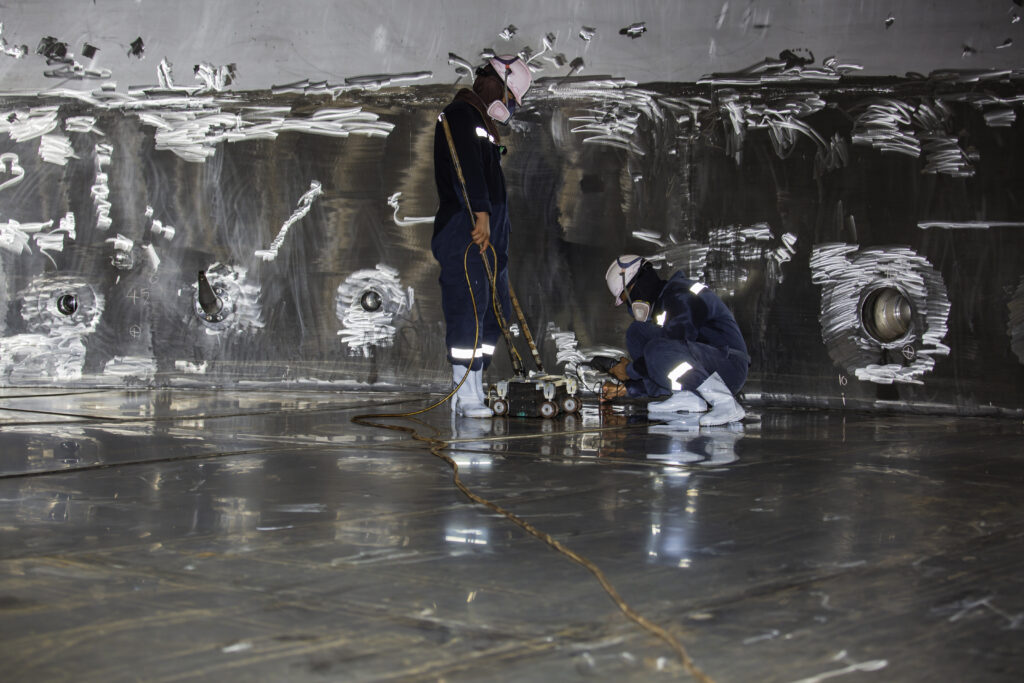
How Water Damage Accelerates Material Aging
Every building material has a natural lifespan but water drastically shortens it. Continuous moisture accelerates aging in concrete brick mortar steel and wood. Paint and surface coatings fail first exposing the structure underneath. Once protective layers break down water penetrates deeper. This cycle strengthens the connection between water damage and structural instability by allowing deterioration to spread faster than expected.
Why Small Leaks Lead To Big Structural Problems
Many property owners ignore small leaks stains or damp smells assuming they are cosmetic issues. In reality these are early indicators of structural risk. When untreated water damage leads to unsafe conditions by slowly weakening critical components. The connection between water damage and structural instability becomes clear only when cracks widen or repairs become costly. Early intervention is the key to preventing serious damage.
The Role Of Professional Waterproofing In Structural Safety
Effective waterproofing breaks the connection between water damage and structural instability. Proper waterproofing systems protect roofs walls basements terraces and foundations from moisture intrusion. At Manikanta Services waterproofing is approached as a structural protection solution not just a surface treatment. Using high quality materials and expert application ensures long term resistance against water related damage.
Long Term Safety Depends On Water Damage Prevention
Structural stability is directly tied to how well a building resists moisture. Regular inspections timely repairs and professional waterproofing prevent minor issues from becoming major threats. Understanding the connection between water damage and structural instability helps property owners make informed decisions about maintenance and protection.
Conclusion Why Water Damage Should Never Be Ignored
The connection between water damage and structural instability is real gradual and dangerous. Water weakens foundations walls roofs and load bearing elements silently over time. What appears minor today can compromise safety tomorrow. Preventive waterproofing expert maintenance and early action are essential to protect building strength and occupant safety. Investing in water damage prevention ensures structures remain stable durable and secure for years to come.